
Table of Contents
- Understanding Pesticide Toxicity and Pet Risk
- Preparing Your Home for Pest Control With Pets
- Safety Protocols During and After Treatment
- How Long to Keep Pets Away After Exterminator Service
- Natural Ways to Keep Spiders Away and Other Chemical-Free Options
- Recognizing Pesticide Poisoning in Pets and Emergency Response
- Communicating With Your Exterminator About Pet Safety
- Frequently Asked Questions
Last Updated: October 7, 2026
Understanding Pesticide Toxicity and Pet Risk
Pesticide toxicity in household treatments varies widely based on active ingredients, application methods, and your pet’s size and health, which is why pest control safety pets is essential to understand. The chemicals used in pest control can affect animals differently than humans, which is why understanding the risks matters before any treatment begins.
Pets absorb pesticides through three main routes: skin contact, inhalation, and ingestion. Cats are particularly sensitive to many common pesticide ingredients because their livers process certain compounds more slowly than dogs or humans. Even small exposures can accumulate over time, especially in homes where treatments happen repeatedly.
We focus on EPA-approved methods that balance pest elimination with pet safety. The goal isn’t to avoid all chemical treatments, it’s to use formulations and application techniques that minimize exposure while solving your pest problem effectively.
Common active ingredients in pest control include pyrethroids, neonicotinoids, and organophosphates. Each carries different toxicity profiles. Pyrethroids, derived from chrysanthemum flowers, are generally considered safer for mammals but can still cause issues at high concentrations. Neonicotinoids affect insect nervous systems and pose moderate risk to pets at typical application levels. Organophosphates are older formulations that carry higher toxicity concerns and are increasingly phased out.
Pet safety depends on three factors: the specific chemical used, how much your pet is exposed to, and how quickly you can reduce that exposure after treatment.
The dose makes the poison. A tiny amount of residual pesticide on a surface poses minimal risk. Heavy contamination or direct contact creates real danger. This is why drying time and post-treatment cleaning matter so much.
Preparing Your Home for Pest Control With Pets
Before your exterminator arrives, take concrete steps to separate your pets from treated areas. This preparation phase is where you control most of the exposure risk yourself.
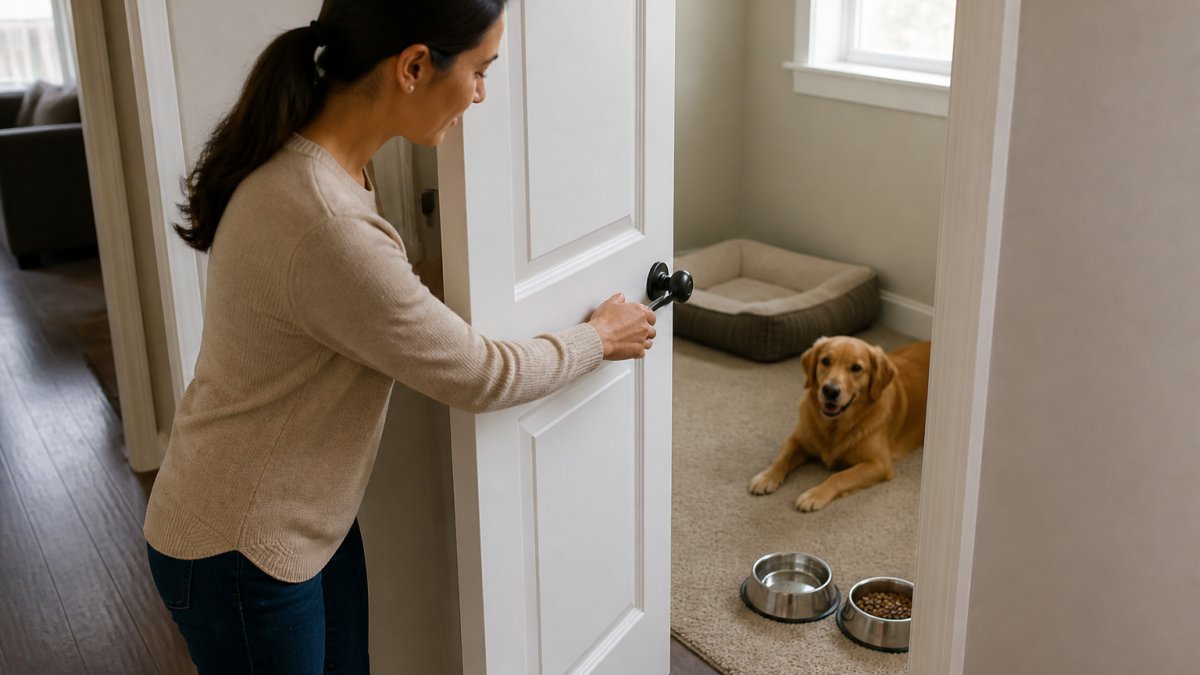
Move pets to a room that won’t be treated. Close the door and keep them there throughout the service and for the drying period afterward. Bring food, water, and litter boxes into the room with them. Some pets get anxious during treatments, having their familiar items nearby helps.
Remove pet bedding, toys, and food bowls from treatment zones before the service begins. These items absorb pesticide residue and then transfer it back to your pet’s fur and mouth. Store them in sealed containers or wash them separately after treatment.
If your exterminator will treat baseboard areas, remove pet water and food bowls from the entire room. Spray drift settles on surfaces at pet height, and bowls collect residue. Move them to an untreated area of your home.
Ask your exterminator which rooms will receive treatment and for how long. This lets you plan exactly where to keep your pets. Some treatments require only a few hours of separation. Others need longer ventilation time.
Keep your pet’s vaccination records and microchip information handy. If accidental exposure happens, your vet will need this information immediately.
Close windows and doors in treated areas during application. This keeps the pesticide confined and prevents it from drifting into pet spaces. Open windows afterward for ventilation, fresh air helps residual fumes dissipate faster.
Safety Protocols During and After Treatment
Stay out of treated areas yourself during application. Your presence doesn’t help the exterminator work faster, and you’ll inhale fumes unnecessarily. This is especially important if you’re pregnant or have respiratory issues.
Ask the exterminator for a timeline. When will they finish? How long before you can re-enter? What ventilation should you do? Write this down so you don’t forget during the stress of the service.
Most pest control treatments require 2-4 hours of drying time before pets can safely return. During this window, the active ingredients settle and bond to surfaces. Wet residue poses higher ingestion risk than dry residue.
After drying time passes, open all windows in treated areas. Let fresh air flow through for at least 30 minutes. This removes airborne residue and fumes. On warm days, you can open windows longer without discomfort.
Wash your hands and change your clothes after treatment. Pesticide residue clings to fabric and skin. If you pet your dog before changing clothes, you transfer residue to their fur.
Vacuum treated areas thoroughly once they’re dry. Vacuuming removes settled particles and reduces the amount of residue your pet can contact.
Wipe down surfaces your pet touches regularly: countertops, furniture edges, and door frames. Use a damp cloth with mild soap. This removes residue without requiring harsh chemicals.
Never let your pet lick or chew treated surfaces during the first week after service. Even dried residue can cause gastrointestinal upset if ingested in quantity. Watch for chewing behavior and redirect your pet to safe toys.
How Long to Keep Pets Away After Exterminator Service
The standard recommendation is to keep pets away from treated areas for 2-4 hours after application. This covers the drying time for most common pest control formulations. However, the exact duration depends on the specific chemicals used and environmental conditions.
Temperature and humidity affect drying time. Cool, humid days slow drying. Warm, dry days speed it up. Ask your exterminator for a specific re-entry time rather than relying on general guidelines. They know the exact products used and current weather conditions.
Some treatments require longer separation. Rodent control using certain baits may need 24 hours or more before pets can safely access treated areas. Termite treatments sometimes require extended ventilation periods. Always ask, don’t assume.
If your exterminator doesn’t provide a specific timeline, assume 4 hours is safe. This gives adequate drying time for most standard formulations. You can always return pets earlier if the exterminator confirms it’s safe, but returning them too soon creates unnecessary risk.
Keep cats away longer than dogs if possible. Cats groom themselves constantly and inggest more surface residue through licking. If you have both pets, extend the separation time to accommodate your cat’s behavior.
Natural Ways to Keep Spiders Away and Other Chemical-Free Options
Not all pest problems require chemical treatment. Natural alternatives exist for many common household pests, especially spiders. These methods work best for prevention rather than active infestations, but they’re worth exploring if you want to minimize chemical exposure.
Spiders actually help control other pests by eating insects. If you can tolerate them, leaving spiders alone is the safest option for pets. They don’t bite unless directly threatened, and their presence reduces the number of flies, mosquitoes, and other insects in your home.
If you want spiders gone, remove their food sources first. Reduce other insects by:
- Fixing window screens and door seals
- Keeping kitchen surfaces clean and crumb-free
- Storing food in sealed containers
- Taking out garbage regularly
- Removing standing water where insects breed
Essential oils like peppermint and eucalyptus repel some insects naturally. However, concentrated essential oils are toxic to cats and dogs. Diluted versions are safer but less effective. If you use essential oils, keep them in a diffuser in rooms your pets don’t access regularly.
Diatomaceous earth is a natural powder that kills insects by damaging their exoskeletons. Food-grade diatomaceous earth is safe for pets in small quantities, but inhaling the powder irritates lungs. Use it sparingly and keep pets out of treated areas while applying.
Integrated pest management combines multiple non-chemical tactics. Seal entry points, remove food sources, reduce moisture, and use physical barriers like screens and traps. This approach takes longer but reduces chemical exposure significantly.
Pet owners who can tolerate some insect activity or have minor pest problems. Chemical-free methods work best for prevention, not severe infestations.
For active infestations, natural methods often fall short. This is where professional pest control becomes necessary. EJ’s Pest Control uses EPA-approved methods that are safer than many over-the-counter sprays you might buy yourself.
Recognizing Pesticide Poisoning in Pets and Emergency Response
Know the signs of pesticide exposure so you can act quickly if accidental contact happens. Early recognition and treatment make a huge difference in outcomes.
Symptoms of pesticide poisoning vary by chemical type and exposure amount. Common signs include:
- Excessive drooling or salivation
- Vomiting or diarrhea
- Trembling or muscle twitching
- Difficulty breathing
- Lethargy or unusual behavior
- Loss of appetite
- Dilated pupils
Some symptoms appear within minutes of exposure. Others develop over hours. Don’t wait for multiple signs, contact your vet immediately if you suspect any exposure.
If your pet ingests pesticide directly, call your veterinarian or the ASPCA Animal Poison Control Center right away. Have the pesticide container or product name ready. Poison control can tell you exactly what to do based on the specific chemical and your pet’s weight.
For skin contact, rinse the affected area with lukewarm water for at least 5 minutes. Use mild soap if available. Remove any contaminated bedding or clothing. Then contact your vet for guidance.
If your pet inhaled fumes, move them to fresh air immediately. Open windows and doors. If breathing difficulty continues, get to a vet urgently.
Don’t induce vomiting unless poison control specifically instructs you to. Some chemicals cause more damage coming back up than staying down. Professional guidance is essential.
Keep your vet’s phone number and the ASPCA Poison Control number (888-426-4435) posted on your refrigerator. In an emergency, you won’t have time to search for numbers.
Communicating With Your Exterminator About Pet Safety
Clear communication with your exterminator prevents misunderstandings and reduces pet exposure. Many exterminators have experience working around pets, but you need to make sure yours knows your specific situation.
Before booking service, mention that you have pets and ask about their pest control safety pets protocols. Ask if they have experience working in homes with animals.
Provide specific information about your pets:
- Species (dog, cat, bird, reptile, etc.)
- Number of pets
- Ages and health conditions
- Any known sensitivities or allergies
- Where they spend most of their time
This information helps the exterminator choose appropriate products and application methods.
Ask which specific products they’ll use. Request the product name and active ingredient. This lets you research the specific toxicity profile and make informed decisions.
Confirm the treatment plan in writing. What areas will be treated? How long is drying time? What post-treatment precautions should you take? Written confirmation prevents confusion later.
Ask about their guarantee. If pests return shortly after treatment, will they retreat at no cost? A 100% guarantee means the company stands behind their work.
Ask your exterminator for post-treatment care instructions specific to your pets. Different products require different precautions. Get this information in writing so you can reference it later.
Keeping your pets safe during pest control requires planning, communication, and follow-through. The combination of proper preparation, choosing the right treatment method, and understanding post-treatment precautions dramatically reduces risk.
EJ’s Pest Control specializes in EPA-approved methods that eliminate pests while protecting your family and pets. Our fully licensed specialists can explain exactly how each treatment works and what precautions you’ll need to take.
Frequently Asked Questions
My dog licked bug spray off me. What should I do?
Contact your veterinarian or the ASPCA Animal Poison Control Center (888-426-4435) immediately. Provide details about the product, including its active ingredients and how much your dog ingested. Most household pesticides cause mild symptoms, but professional guidance ensures proper monitoring. Watch for vomiting, drooling, tremors, or difficulty breathing while awaiting veterinary advice. Do not induce vomiting unless instructed by a veterinarian.
How long should pets stay away after pest control treatment?
Most EPA-approved treatments require pets to remain away for 2-4 hours after application, though this varies by product and application method. Baseboard spraying typically requires less time than full-perimeter treatment. Your exterminator should provide specific drying time recommendations based on the chemicals used. Ensure adequate ventilation before returning pets to treated areas. Always ask your pest control provider for written guidance on your specific treatment.
What are the signs of pesticide poisoning in pets?
Common signs include excessive drooling, vomiting, diarrhea, tremors, lethargy, difficulty breathing, or unusual behavior. Cats may show sensitivity to pyrethroids and other synthetic insecticides more quickly than dogs. If you notice any of these symptoms after pest control treatment, contact your veterinarian immediately. Mild ingestion may cause only minor gastrointestinal upset, but inhalation or dermal contact can cause more serious reactions requiring emergency care.
Are EPA-approved pest control methods as effective as stronger chemicals?
Yes. EPA-approved methods meet strict efficacy standards for pest elimination. Many eco-friendly and pet-safe treatments use active ingredients like pyrethrins (natural) or pyrethroids (synthetic) that effectively target insects and rodents while posing minimal risk to pets at recommended application rates. The key difference is safety margin, not effectiveness. Professional application of EPA-approved methods typically eliminates infestations as thoroughly as conventional treatments when integrated pest management protocols are followed.